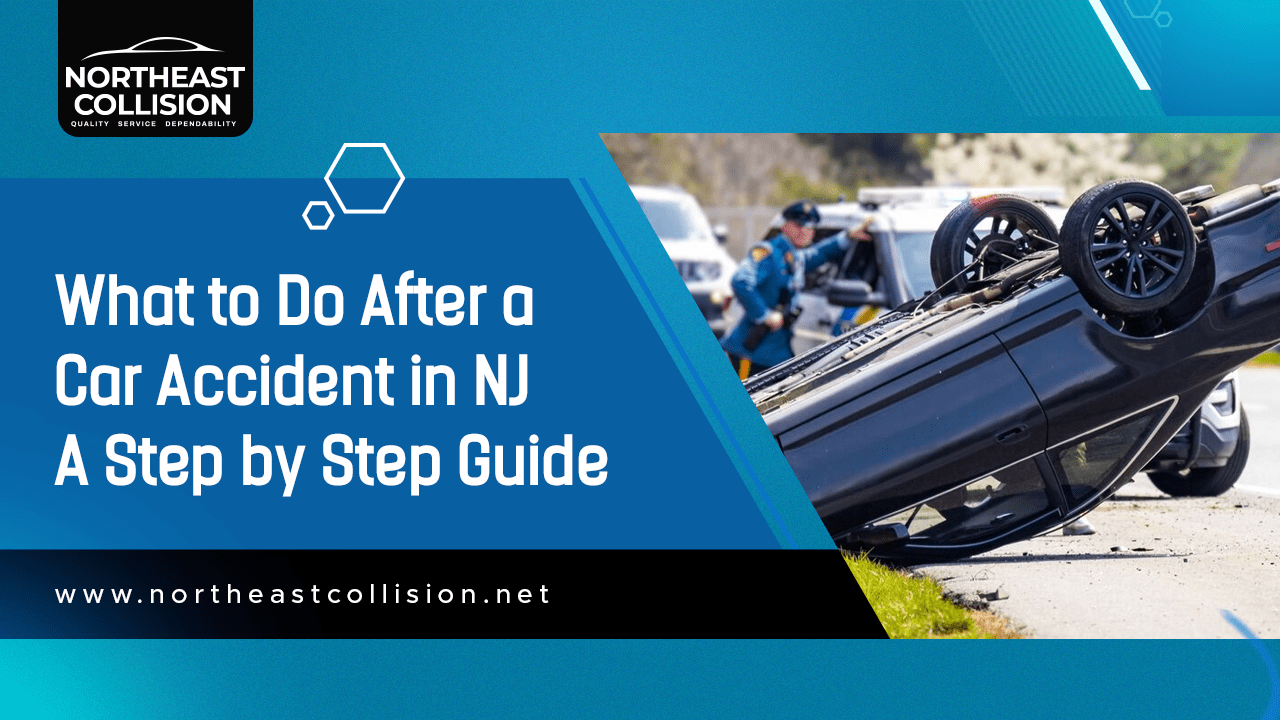
A car accident can turn a regular day upside down in seconds. No matter if it’s a small bump or a bigger crash, it’s normal to feel shaken or unsure about what to do next. The good news is that following a few simple steps can help keep you safe, support your insurance claim, and make repairs easier.
If you’re not sure what to do after a car accident, this guide is here to help. It covers each step, from the crash itself to getting your car fixed in New Jersey. Knowing what actions to take can help you feel more confident and prepared.
Quick Answer: What to Do After a Car Accident
If you’re short on time, here’s a quick car accident checklist to help you stay on track:
- Check yourself and others for injuries.
- Move to a safe location if possible.
- Turn on your hazard lights.
- Call 911 if anyone is injured or the accident requires police assistance.
- Exchange contact and insurance information with the other driver.
- Take photos and document the accident scene.
- Notify your insurance company.
- Choose a trusted collision repair shop.
- Schedule a professional inspection for hidden damage.
Let’s go through each step in more detail.
Step 1: Put Safety First
Right after a crash, things can feel confusing. Your top priority should be making sure everyone is safe.
Take a moment to check yourself for injuries before leaving your car. Then check your passengers and, if it’s safe, the people in the other vehicle. If anyone is hurt, call 911 right away for help.
If your car is blocking traffic but can still be driven safely, move it to the shoulder or another safe spot away from traffic. Turn on your hazard lights to warn other drivers and help prevent another accident.
Stay Calm and Avoid Making Quick Decisions
It’s normal to feel upset after a crash, but try to stay calm. Keeping a clear head helps you make better choices and avoid mistakes that could affect your insurance claim.
Don’t leave the accident scene until it’s okay to do so. Leaving too early can cause legal trouble and make your insurance claim harder.
Step 2: Call 911 and Report the Accident
After making sure everyone is safe, determine whether you need to call the police.
In many car accidents in NJ, it’s best to call the police, especially if someone is hurt, there’s a lot of damage, a car can’t be driven, or there’s a traffic hazard.
A police officer can record what happened, collect statements, and write an official accident report. This report is often important when you file an insurance claim.
What to Say to the Police
When speaking with the responding officer:
- Explain what happened clearly and truthfully.
- Hold to facts instead of assumptions.
- Answer questions directly.
- Avoid exaggerating details.
- Do not admit fault at the scene.
Even saying “I’m sorry” can be misunderstood. It’s best to stick to what you saw instead of talking about who was at fault.
Step 3: Document the Accident Scene
Having good records is very helpful for your insurance claim. Once everyone is safe and emergency help is on the way if needed, start gathering important details while you remember them clearly.
Exchange Information with the Other Driver
Be sure to collect:
- Full name
- Phone number
- Home address
- Driver’s license number
- Insurance company
- Insurance policy number
- Vehicle make and model
- License plate number
Be polite and helpful, but don’t talk about who was at fault or try to settle payment at the scene.
Gather Witness Information
If anyone witnessed the accident, politely ask for their:
- Name
- Phone number
- Email address (if they’re comfortable sharing it)
Witness statements can help clear up what happened if people remember things differently.
Take Plenty of Photos
Your phone is a great tool to use after an accident.
Take clear photos of:
- Damage to every vehicle involved
- The overall accident scene
- License plates
- Traffic signs and signals
- Road conditions
- Weather conditions
- Skid marks
- Debris
- Vehicle positions before they’re moved (if safe)
It’s better to take more photos than you think you’ll need. These pictures can be useful for your insurance claim and help with repairs.
Write Down Important Details
While the event is still fresh in your mind, make a few notes about:
- The date and time
- Exact location
- The direction each vehicle was traveling
- Weather and lighting situation
- Anything unusual you noticed before the crash
It’s easy to forget small details later, but they can be helpful if questions come up weeks or months after the accident.
Step 4: Notify Your Insurance Company
After you leave the accident scene and everyone is okay, contact your insurance company as soon as you can. Reporting quickly helps start your claim and avoids delays. Most insurance companies let you report an accident by:
- A mobile app
- Their website
- A customer service phone line
- Your insurance agent
Have the following information ready:
- Date and time of the accident
- Location
- Names of everyone involved
- Insurance information from the other driver
- Photos and videos
- Police report number, if available
When you explain what happened, stick to the facts and keep it simple. If you’re not sure about something, it’s fine to say you don’t know instead of guessing.
Understanding the Basics of an Insurance Claim
If this is your first accident, the claims process might seem overwhelming. Luckily, it’s usually simpler than most people think.
After you report the accident, your insurance company will examine the details, assess the damage, and explain what your policy covers. Depending on your coverage, they may arrange for an estimate, request extra documentation, or assign a claims representative to guide you through the process.
If your vehicle needs accident damage repair, your insurer will outline the next steps for inspection and repair.
Understanding New Jersey Insurance Basics
After a car accident in NJ, you might hear terms like “PIP,” “deductible,” or “claim adjuster.” These can sound confusing, but knowing the basics can make things less stressful.
New Jersey follows a no-fault insurance system for medical expenses. This means your insurance policy typically covers your medical treatment under your Personal Injury Protection (PIP) coverage, regardless of who caused the accident.
However, damage to your vehicle is handled separately and depends on the details of the accident and the coverage available.
Step 5: Choose Your Repair Shop, Not the Insurance Company’s
Once you’ve reported the accident, you’ll probably start thinking about repairs. Remember, you have the right to pick the repair shop that works on your car.
Your insurance company might suggest some repair shops, but the choice is yours. Picking a shop you trust can help you feel confident your car will be fixed safely and properly.
Why Your Choice Matters
Not all repair shops have the same skills or service. A good collision center does more than fix dents—it restores your car’s safety, performance, and looks.
When choosing a repair shop, look for one that offers:
- Certified and experienced technicians
- Modern repair equipment
- Repairs that follow manufacturer-recommended procedures
- High-quality replacement parts
- Advanced color-matching technology
- Written warranties on repairs
- Ongoing communication throughout the repair process
A quality repair helps your car work the way it did before the accident.
Step 6: Schedule a Post-Collision Inspection
A common mistake is thinking your car is fine just because it still runs. Even a slow crash can cause hidden damage. Sometimes, a small dent on the outside means bigger problems underneath.
That’s why it’s important to get a professional inspection as soon as you can.
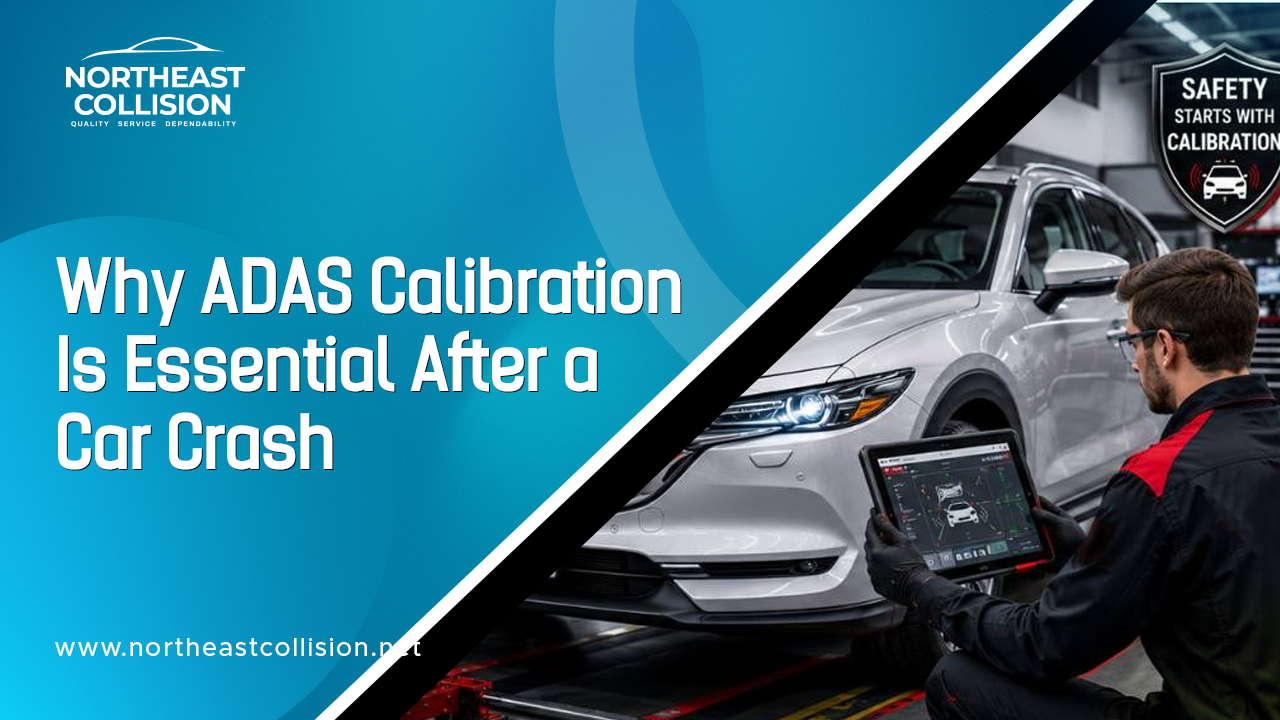
Advanced Driver Assistance Systems (ADAS)
Many newer vehicles include safety technologies like:
- Automatic emergency braking
- Lane departure warning
- Blind-spot monitoring
- Adaptive cruise control
- Parking sensors
- Forward collision warning
These systems rely on carefully adjusted cameras and sensors. Even a small crash can knock them out of place without turning on a warning light.
A good repair shop has the tools to check and adjust these systems so they keep working as they should.
Signs Your Vehicle Needs Immediate Inspection
Some problems don’t show up until hours or even days after a crash.
Watch for warning signs like:
- The vehicle is pulling to one side
- A crooked steering wheel
- New rattling noises
- Difficulty braking
- Tires wearing unevenly
- Headlights that no longer line up correctly
- Water is leaking into the cabin
- Gaps between body panels
These signs could mean there’s hidden damage that needs a professional to fix. Taking care of these problems early can prevent more repairs later and keep your car safe.
Why Professional Collision Repair Matters
Fixing a car after an accident is about more than just making it look good again.
Modern cars are built with advanced materials, safety features, and sensors. Fixing them the right way takes special tools, trained technicians, and following the manufacturer’s repair steps.
At Northeast Collision we check your car carefully, find any hidden damage, and use proven methods to restore its strength.
Professional repair also helps:
- Maintain vehicle safety
- Restore proper handling and alignment
- Protect resale value
- Ensure paint corresponds to the original finish
- Reduce the risk of future mechanical issues
Many good auto body shops work directly with insurance companies to make approvals, estimates, and paperwork easier. This lets you get back to your routine while the experts handle the repairs.
Your Car Accident Checklist
Accidents are stressful, but a simple checklist can help you remember what steps to take.
Save this list for future reference:
- Check yourself and others for injuries.
- Move your vehicle to a safe location if possible.
- Turn on your hazard lights.
- Call 911 if necessary.
- Cooperate with responding police officers.
- Exchange contact and insurance information.
- Collect witness information.
- Take photos of the vehicles and the accident scene.
- Notify your insurance company promptly.
- Choose your preferred collision repair shop.
- Schedule a professional inspection, even if the damage appears minor.
Keep this car accident checklist on your phone or in your glove box so you’re prepared if something unexpected happens.
Final Thoughts
Knowing what to do after a car accident can help you stay calm, protect your rights, and make good choices during a tough time. Start by making sure everyone is safe, call the police if needed, document the scene, and contact your insurance company quickly. Also, remember you can choose the repair shop you trust.
Frequently Asked Questions
Do I have to call the police after a minor accident in NJ?
If anyone is injured, there is significant property damage, a vehicle cannot be driven safely, or the accident creates a traffic hazard, you should contact the police. Even for minor accidents, having an official police report can make the insurance claims process easier.
Can the insurance company tell me where to repair my car?
No. While your insurance company may recommend certain repair facilities, you generally have the right to choose the collision repair shop that repairs your vehicle.
How soon should I get my car inspected after a crash?
Schedule an inspection as soon as possible. Hidden damage isn’t always visible, and postponing repairs may sometimes lead to additional safety concerns or higher repair costs.
What information should I collect at the scene?
Try to gather:
Police report information, if available
Driver names
Phone numbers
Addresses
Driver’s license numbers
Insurance company and policy information
Vehicle registration details
License plate numbers
Photos of the accident scene and vehicle damage
Witness contact information