
A certified collision center is a body shop officially approved by a vehicle manufacturer, such as Lexus or GM, to repair cars to factory standards. This certification is not just a marketing label. Shops earn it by having technicians complete special training, buying the right equipment, following the manufacturer’s repair procedures, and passing regular audits to make sure they keep meeting these standards.
If you haven’t needed collision repair before, the word “certified” might seem like just another term shops use. But it’s not. The difference between certified and uncertified shops can be important, especially if your car has advanced safety features, aluminum panels, or special structural designs that need the right repair methods.
This difference is even more important now than it was ten years ago. Cars today have more sensors, use different materials, and rely on software connected to physical parts. That means repairs need to be done exactly as the manufacturer says, or mistakes can happen. Knowing what certification means helps you make a better choice when picking a repair shop.
What Certification Actually Requires
Manufacturers do not give out certifications easily. The process is strict and usually involves four main requirements.
Technician training: Certified repair shops ensure their technicians complete manufacturer-designed training programs. These programs teach the exact welding, materials, and assembly methods used for that brand. For example, a shop fixing a Lexus needs technicians trained in Lexus procedures because Lexus uses unique steel-and-aluminum combinations, special adhesives, and different structural designs compared to other brands.
Specialized equipment: To be certified, shops must buy and maintain tools and equipment approved by the manufacturer. This includes specialized welding machines, frame straighteners, and diagnostic scanners configured for that brand’s electronics. These tools are not optional; manufacturers require that the shop have them before issuing certification.
OEM repair procedures: Certified shops promise to follow the manufacturer’s repair instructions exactly rather than using general methods or shortcuts. These instructions cover details such as how to weld or bond panels, the correct bolt torque, and how to handle airbags and sensors during repairs.
Facility audits: Certification is not just a one-time thing. Manufacturers regularly check that the shop still has the right equipment and trained staff, and that it follows approved procedures. If a shop does not keep up these standards, it can lose its certification. This is why the certification badge really matters over time.
Why It Matters: Safety, Fit, Resale Value, and Warranty
Safety: Modern cars are built with special crumple zones, strong frames, and materials meant to protect you in a crash. If repairs do not meet these exact standards—such as using the wrong weld, the wrong steel, or missing an adhesive step—the car might look fine but may not protect you as it should in another accident. Certified shops follow the right procedures to keep your car’s safety features working as designed.
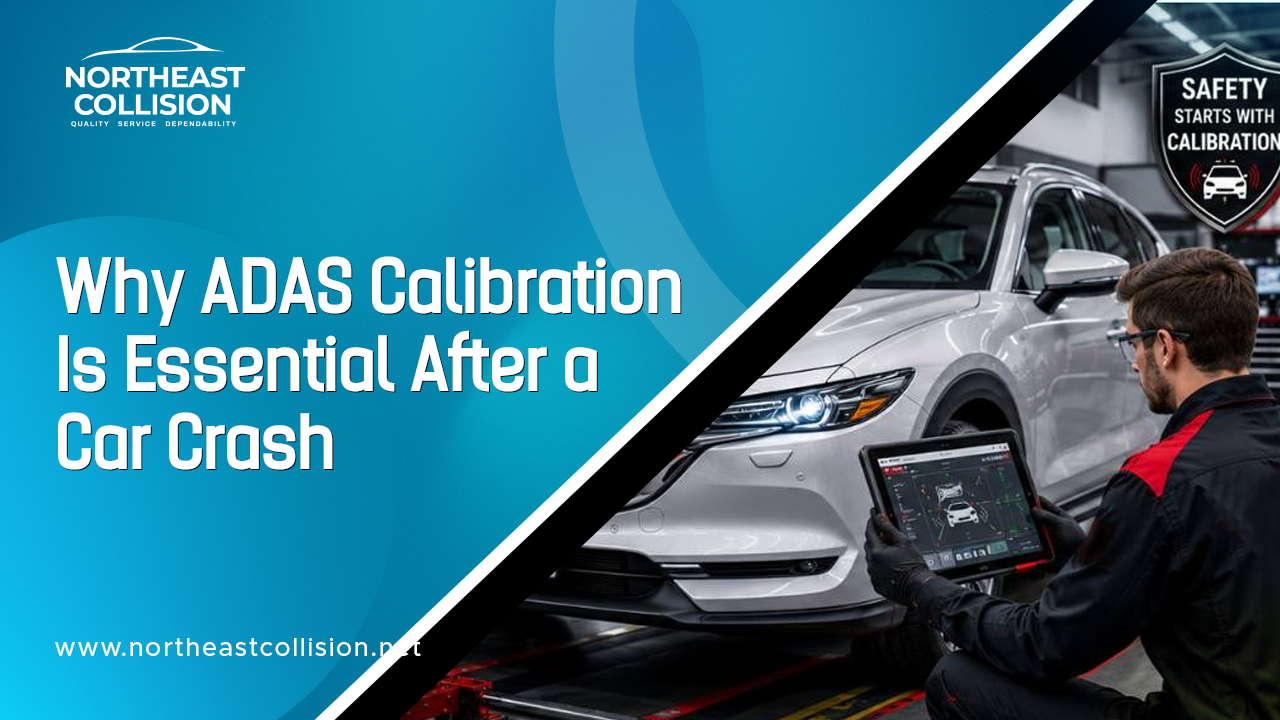
This also applies to the many electronic safety systems in today’s cars. Features like forward collision warning, lane departure alerts, and automatic emergency braking depend on cameras and sensors that must be carefully adjusted after repairs. Even replacing a windshield or bumper can affect how these systems work. Certified shops have the tools and training to recalibrate these systems properly every time.
Fit and finish: OEM procedures also ensure that panels fit and function properly after repairs. Bad repairs can cause gaps, misaligned doors, wind noise, or premature wear on parts because they were forced into place. Certified repairs aim to restore your car to its original fit, not just how it looks.
Resale value: When you sell your car, buyers and history reports can show if it was in an accident and how it was fixed. Having repairs done at a certified shop with OEM parts is a big plus, especially for newer or luxury cars, because buyers want to know the work was done right.
Warranty protection. Many warranties and safety systems depend on repairs being done to the manufacturer’s standards. Using non-OEM parts or the wrong repair methods can cause problems with your warranty later, especially for safety, rust protection, or structural parts.
What Lexus Certified Means Specifically
Lexus Certified Collision Center status is one of the most selective certifications in the industry. To earn it, a shop must meet Lexus’s standards for technician training, have Lexus-approved equipment for aluminum and steel repairs, and strictly follow Lexus’s repair procedures. This is especially important because Lexus vehicles use high-strength steel and aluminum together, which need special repair methods.
Lexus certification also means the shop must use genuine Lexus parts and show they can recalibrate Lexus safety and driver-assist systems after repairs. This includes making sure cameras, radar sensors, and other parts are realigned correctly so they work as they should.
Northeast Collision is Lexus Certified, and we are working to earn more manufacturer certifications. This lets us repair more brands to factory standards, not just based on general repair experience.
Northeast Collision’s Credentials
Certification only matters if it is backed up by real qualifications. Here is what supports our certifications:
- Lexus Certified Collision Center: formally approved to repair Lexus vehicles to factory specifications, with trained technicians and Lexus-approved equipment on-site.
- I-CAR Gold Class: the highest technician training recognition from I-CAR, the industry’s leading collision repair training organization, meaning our team completes ongoing training across a wide range of repair procedures and vehicle technologies.
- GM Certified: approved for General Motors vehicle repairs, following GM’s documented procedures and using GM-approved equipment and parts.
- 50+ years in business: a longevity that reflects consistent, trusted work in the community, not a shop that’s cut corners to survive.
- PPG paint system: a professional-grade paint and refinishing system used for accurate color matching and long-term finish durability.
- Lifetime warranty: on repairs, a guarantee that stands behind the quality of the work, not just a marketing line.
All these credentials show that our shop is focused on following manufacturer standards, keeping our technicians up to date with new technology, and backing up our work with a warranty you can trust.
How to Verify Any Shop’s Certifications Before You Commit
You do not have to just trust what a shop says. You can check their certifications before you bring in your car.
Ask directly which certifications apply to your vehicle’s brand: A shop might be certified for one manufacturer but not yours, and that distinction matters since procedures and equipment requirements are brand-specific.
Check the manufacturer’s locator tools: Most big brands, like Lexus and GM, have official online tools where you can search by location and confirm if a shop is certified. This way, you get the information straight from the source.
Ask about the I-CAR training level: I-CAR Gold Class is a well-known industry standard, and shops that have it are usually happy to share that information. It shows they keep investing in technician training, not just earning a one-time certificate.
Ask what parts the shop uses: Certified shops should clearly explain if they use OEM parts and when they might use aftermarket parts, especially for important safety or structural repairs.
Ask for the warranty terms in writing: A shop that stands by its work should be willing to provide the warranty details in writing, not just talk about them.
If a shop avoids or is unclear about any of these questions, take notice. Real certifications should be easy to check, not just claimed.
Need repairs for a Lexus, GM, or any other car? Northeast Collision is Lexus Certified, I-CAR Gold Class, and GM Certified, with over 50 years of trusted service in New Jersey. Schedule your estimate today and get repairs done right, backed by our lifetime warranty.
Frequently Asked Questions
Does a certified collision center cost more?
Not always. Certified shops might spend more on equipment and training, but their prices are usually similar to other shops. Most estimates depend on the damage and parts needed, not just certification. The real value is in the quality of repairs and long-term results, not a much higher price.
Will using a non-certified shop void my warranty?
It depends on your manufacturer’s warranty and the type of repair. Using non-OEM parts or the wrong repair methods for safety or structural work can cause problems with warranty claims later, especially for rust protection or structural parts. Check your warranty paperwork or ask your dealer if you are not sure.
How do I know if a body shop is certified?
Ask the shop which manufacturer certifications they have, and check this using the manufacturer’s official online locator tool. Good certified shops are open about their credentials and can show you proof if you ask.
What is I-CAR Gold Class?
I-CAR Gold Class is the top recognition from I-CAR, the main training group for collision repair. It means a shop’s technicians keep up with ongoing, specific training for many repair methods and new vehicle technology. This status is a strong sign that a shop is committed to proper, up-to-date repairs.