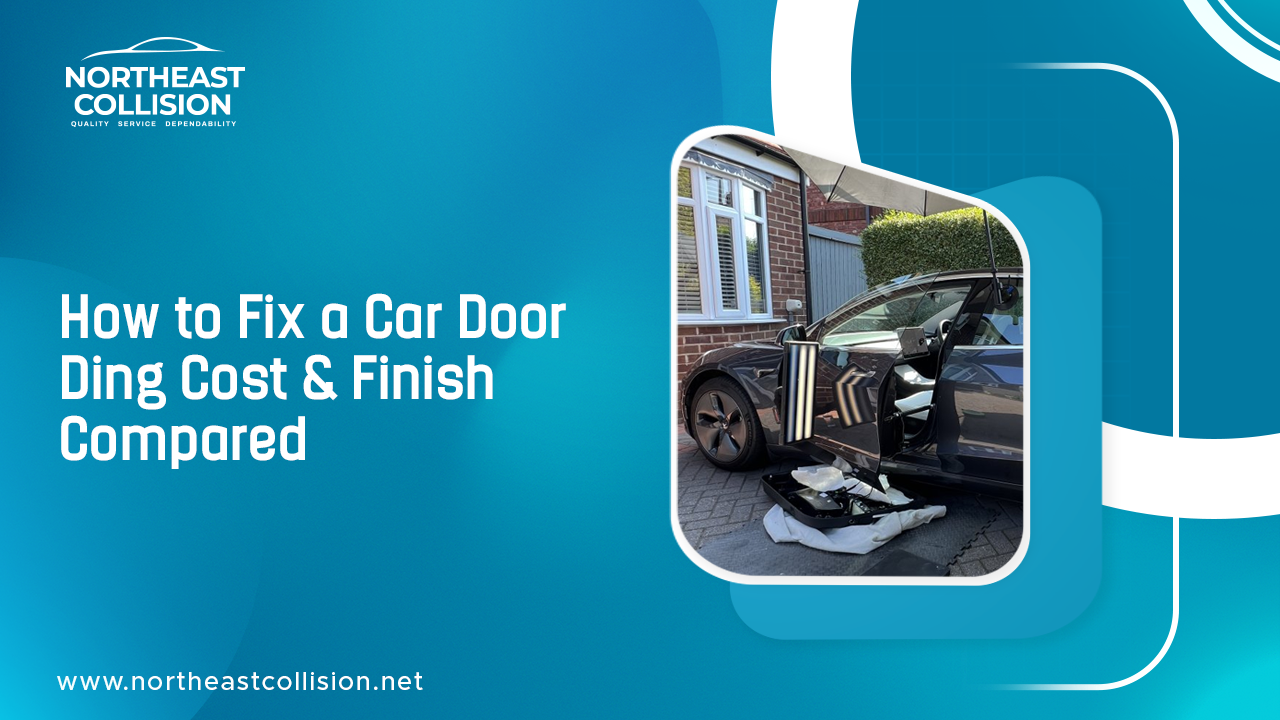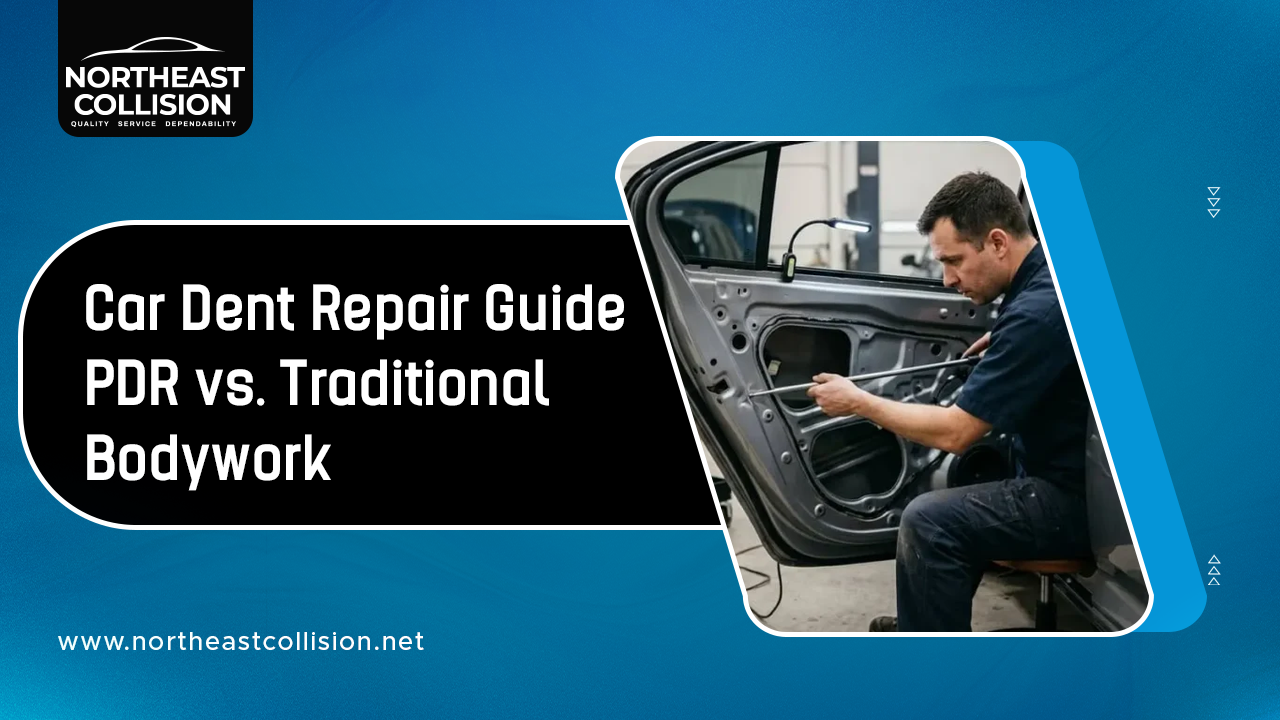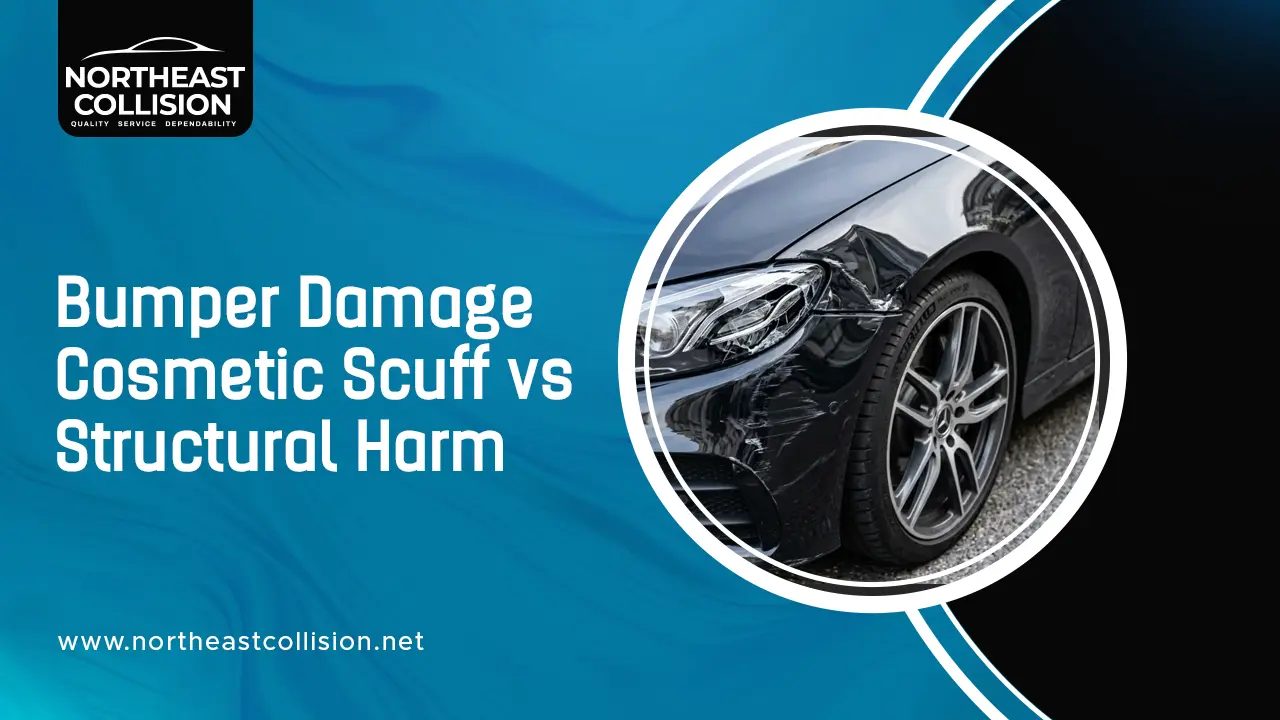

When you’re involved in a minor fender bender, it’s highly tempting to simply “live with it” for a while. If the vehicle still starts up normally, tracks straight on the road, and the airbags didn’t deploy, you might easily convince yourself that a dented fender or a cracked bumper cover is just a minor cosmetic annoyance you can deal with later.
But here is the cold financial reality: your vehicle is a depreciating asset.
From the moment you drive a vehicle off the showroom lot, its market value begins to steadily drop. When you leave auto body collision damage unrepaired, you aren’t just driving a “bruised” vehicle; you are actively accelerating that depreciation and inviting a host of underlying mechanical and electrical problems that will cost you significantly more down the road.
The “Cancer” of Untreated Rust and Paint Oxidation
The most immediate and aggressive threat to your vehicle’s resale value after an accident is surface oxidation. Modern automotive paint is not just for decoration; it is a highly engineered, multi-layer protective shield consisting of an e-coat, primer, base color, and a durable clear coat.
The moment that protective shield is breached—even by a seemingly tiny rock chip or scratch—the underlying raw sheet metal is exposed to oxygen and moisture.
- The Humidity Factor: Even if you don’t live in a region that blankets roads with winter salt, everyday environmental humidity, rain, and coastal air will rapidly find that exposed metal. Rust behaves exactly like a cancer; once oxidation takes hold beneath the edges of the clear coat, it spreads invisibly, bubbling the paint from the inside out.
- The Cost of Neglect: Addressing a minor paint scratch early at a certified collision center costs relatively little. Conversely, replacing an entire rusted-out door skin or quarter panel because a deep scratch was ignored for a year can easily cost thousands. When a prospective buyer or dealership appraiser spots rust, they immediately assume the mechanical elements have been equally neglected, causing your trade-in offer to plummet.
The Domino Effect of Unseen Structural Stress
Modern vehicles are built to incredibly tight geometric tolerances. If one corner of your car takes a sudden kinetic hit, that impact force ripples directly through the entire integrated unibody structure. Even if the damage looks superficial on the outside, delayed collision repair often triggers a costly domino effect:
Suspension and Wheel Alignment Issues: A slight structural tweak in the vehicle body puts uneven, constant pressure on your suspension components. This throws your wheel alignment out of true, forcing you to replace a set of prematurely worn tires in months instead of years.
Hidden Mechanical Strain: If a composite plastic bumper is pushed inward by even half an inch, it may rest firmly against an internal engine cooling fan, radiator bracket, or fluid line. You might not notice the friction today, but that “minor” dent can easily cause a sudden fluid leak or an overheated engine next month on the highway.
Why the Digital “Paper Trail” Matters for Resale
In an era dominated by vehicle history reports like Carfax and electronic maintenance registries, you cannot hide an accident history from a savvy buyer. However, there is a massive psychological and financial difference in how the market values a vehicle based on how that history is handled:
- Certified Restoration vs. Neglect: When you bring your vehicle to a reputable facility like Northeast Collision, the repair is officially documented as a professional, certified restoration executed to factory standards. Prospective buyers feel substantially more confident purchasing a vehicle that has been meticulously “made whole” by certified technicians rather than one that bears visible, unaddressed structural scars.
- Lease Return Penalties: If you are operating a leased vehicle, those “small” dents will absolutely penalize you at the termination of your contract. Lease return inspectors utilize precise tools to measure paint depth and panel alignment. If you return a damaged car, the leasing company will charge you full dealership retail labor rates for the repairs—fees that are consistently higher than what you would pay upfront at an independent auto body shop.
Protecting the Tech: Sensors and Safety
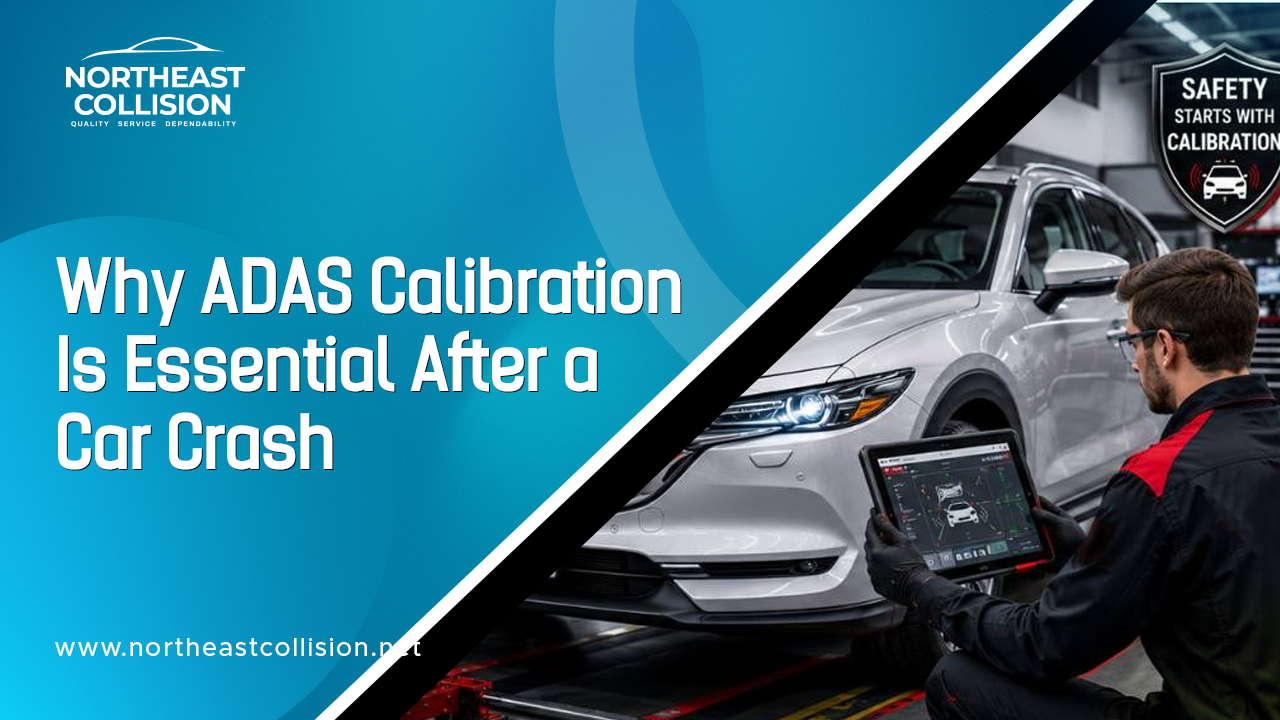
We have officially entered the age of the “smart car.” Most modern vehicles on the road rely heavily on Advanced Driver Assistance Systems (ADAS), featuring highly sensitive radar units and cameras tucked directly behind plastic bumper covers, grilles, and side mirrors.
If your bumper cover is cracked or unsealed and you leave it exposed to the elements, rainwater and road grit will rapidly seep into those sensitive electronic sensor housings.
Replacing a damaged plastic bumper cover is a standard, predictable auto body repair. Replacing a short-circuited blind-spot monitoring radar unit or a front-facing camera assembly because water managed to corrode the internal wiring? That can easily add over $1,000 to your final bill. By prioritizing timely auto body dent repair, you are effectively sealing off those incredibly expensive internal electronics from environmental ruin.
The Psychology of the Used Car Buyer
Think back to the last time you personally shopped for a used vehicle. If you walked up to a car and immediately noticed a dented passenger door, a cracked taillight housing, or mismatched panel gaps, what was your immediate first thought?
It is almost always: “If the previous owner didn’t care enough to fix the damage they could see every day, what mechanical maintenance steps did they ignore deep under the hood?”
Timely, high-quality collision repairs signal to the market that a vehicle has been highly cared for and properly maintained. It proves that you actively value your financial investment. When it comes time to private-sale or trade in your vehicle, a car that looks pristine—even if it has a documented history of a professionally repaired accident—will consistently sell faster and command a significantly higher valuation than a vehicle displaying visible, weathered scars.
Don’t Let a Small Body Issue Become a Large Repair Bill
Your vehicle is highly likely your second-largest financial investment after your home. Treating that asset with respect means addressing body and structural damage as soon as it occurs. You wouldn’t leave a small leak in your home’s roof to rot the ceiling joists; do not leave a breach in your vehicle’s protective exterior panels.
Is your car showing the visible signs of a past traffic mishap or parking lot dent? Don’t watch your hard-earned trade-in value disappear. Contact Northeast Collision today to request a detailed repair estimate and let our certified pros protect your investment.
Frequently Asked Questions (FAQs)
1. Is it actually worth fixing an auto body dent if I plan on selling the vehicle soon?
Yes, absolutely. In nearly every market scenario, the immediate “value add” of a clean, structurally straight, dent-free vehicle significantly outweighs the actual out-of-pocket cost of the repair. A vehicle displaying visible body damage gives prospective buyers instant psychological leverage to lowball your asking price by thousands of dollars.
2. Can I safely wait a few months to fix an exterior paint scratch?
It depends entirely on the structural depth of the scratch. If the scratch has sliced completely through the clear coat and base color to reveal bare metal or gray primer, you should address it immediately to prevent rust from forming. If the scratch is superficial and contained entirely within the top clear coat layer, you have a bit more time—though it is still wise to repair it before road dirt and automated car wash waxes build up inside the groove, making a seamless blend more difficult.
3. Will my auto insurance carrier give me trouble if I delay reporting the collision damage?
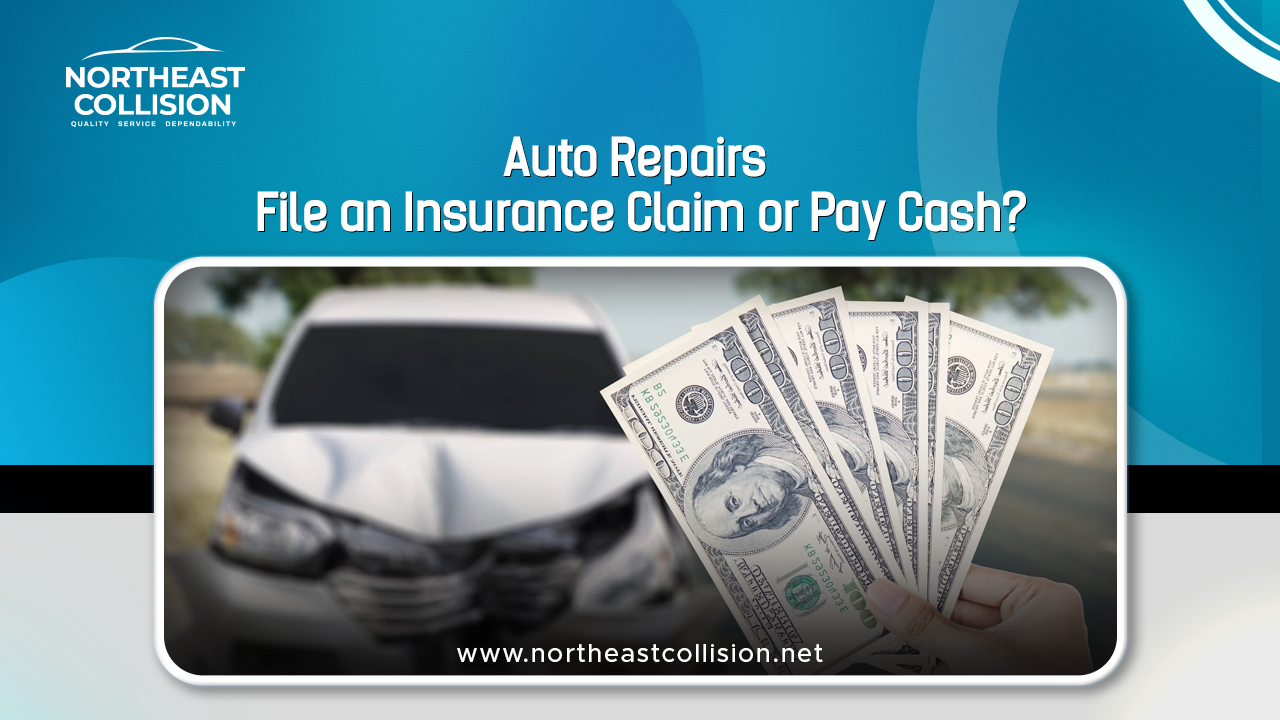
They very well might. Almost all standard automotive insurance policies contain a strict “timely reporting” clause. If you wait several months to address a dent and structural rust sets in, the insurance adjuster may argue that the rust damage is a direct result of owner neglect rather than the accident itself. While they will still cover the initial dent repair, they may legally refuse to pay for the extensive extra labor required to grind away or cut out the rust that you allowed to grow.
4. What exactly is a “diminished value claim”?
A diminished value claim is a legal demand filed with an insurance company to compensate you for the inherent loss in a vehicle’s market resale value simply because it now possesses an “accident history” on its record. Even if a premium shop restores your car to pristine, factory-new condition, a future buyer may still offer you less money for it down the road due to that Carfax entry. A diminished value claim helps recover that financial difference. Note that these claims are generally much easier to win if the accident was completely the fault of another driver and your vehicle is relatively new.
5. Why are modern plastic bumper repairs more expensive than they used to be?
It isn’t due to the cost of the raw plastic; it is entirely due to the complex safety systems housed directly behind the cover. Modern bumper assemblies are fully integrated safety systems containing internal air dams, crumple reinforcements, ultrasonic parking sensors, and radar modules. A proper repair requires complete disassembly, thorough internal structural verification, and precise digital calibration to ensure those safety systems continue to protect you flawlessly.