When you see a vehicle involved in a severe collision, the most obvious damage is the twisted exterior metal and the shattered glass. Naturally, when you take that vehicle to a certified collision center, your mind is entirely focused on the “after” photo—you want that smooth, glossy factory finish back.
But behind that fresh coat of paint, a much more critical restoration is happening deep beneath the surface.
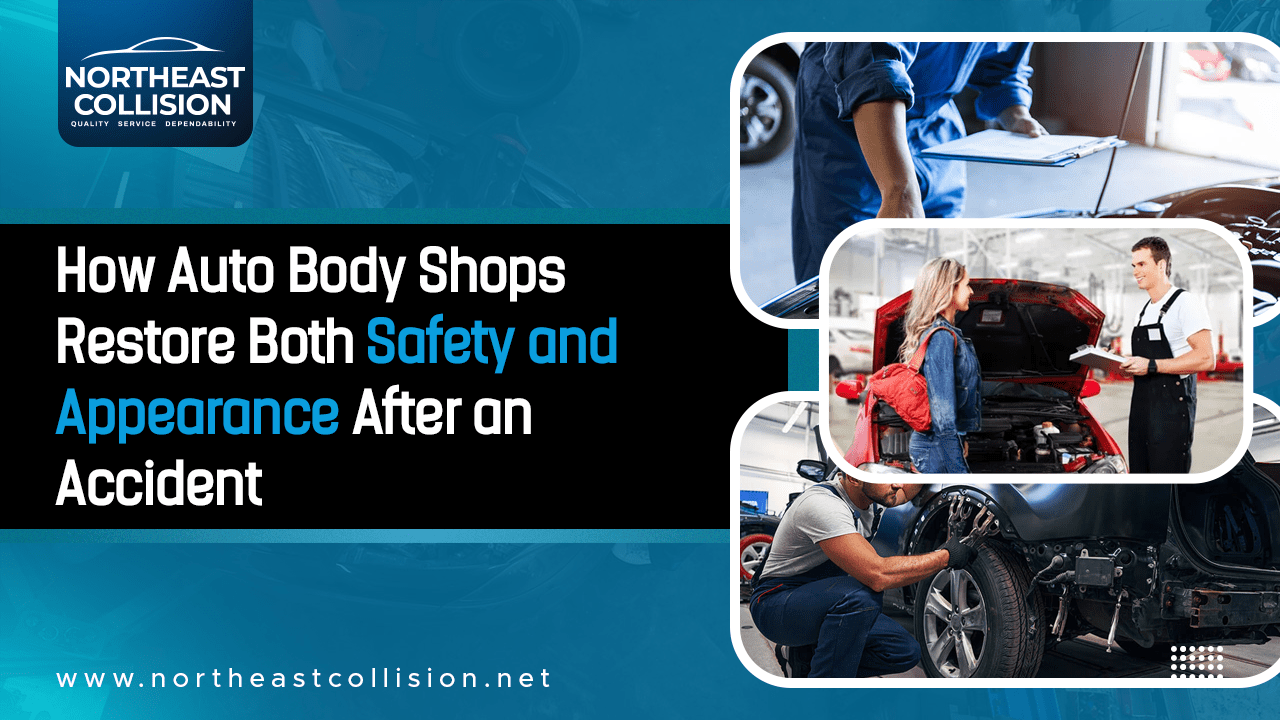
A modern auto body shop operates part chemistry lab and part structural engineering firm. The ultimate goal of a professional repair isn’t just to make the vehicle look “pretty” again; it is to ensure that the vehicle’s complex structural safety systems—the ones that protected you in the first place—are fully functional for the future.
The Invisible Framework: Unibody Calibration
Decades ago, cars were built using “body-on-frame” construction, which meant an auto body shop could essentially bolt a new exterior shell onto a heavy steel chassis. Today, almost all passenger vehicles, SUVs, and crossovers utilize unibody construction. This means the frame and the exterior body panels are engineered as one single, integrated structural unit.
When your vehicle is struck, the energy of that impact travels through the entire structure. A sharp impact to the rear bumper can actually ripple through the unibody and cause a structural misalignment in the front suspension.
To correct this hidden shifting, professional technicians rely on a specialized two-step approach:
| Stage | Process | Objective |
| 1. 3D Laser Measuring | Computerized measuring systems scan the vehicle’s chassis, comparing its current state against the manufacturer’s original digital blueprints. | To identify hidden twists or structural frame bends down to a single millimeter. |
| 2. Hydraulic Realignment | Using high-tonnage hydraulic towers on a specialized frame rack, precise pressure is applied to pull the unibody back to its exact geometric coordinates. | To ensure the structural platform is perfectly square so your wheels align and your tires don’t wear out prematurely. |
Restoring the Engineered “Crumple Zones”
Automotive manufacturers deliberately design specific areas of your vehicle’s frame to fail. These crumple zones are engineered to fold up like an accordion during a major crash to absorb the violent kinetic energy of the impact so your body doesn’t have to.
The major challenge in collision repair is that once these advanced steel zones have crumpled, they cannot be straightened and safely reused.
If a budget repair shop attempts to pull a bent, compromised structural frame rail back into place instead of cutting it out and replacing it, that metal loses its structural integrity. It behaves exactly like an aluminum soda can—once you have bent or crushed it, it will never possess the same structural strength again.
At Northeast Collision, we meticulously follow factory repair procedures, replacing these compromised structural components with brand-new OEM (Original Equipment Manufacturer) parts to ensure your vehicle will protect you flawlessly if it is ever involved in a subsequent accident.
The Aesthetic Side: More Than Just a Spray Job
Once your vehicle’s structural skeleton is perfectly straight, the process shifts to restoring the exterior “skin.” This is where the chemistry and artistry of automotive refinishing come together.
- Advanced Substrate Preparation: You cannot simply spray professional automotive paint directly over bare metal or raw plastic. Technicians apply specialized, zinc-rich anti-corrosion primers to raw metals and advanced “adhesion promoters” to flexible plastic bumpers to guarantee the paint chemically bonds and never peels.
- The Physics of Color Matching: Vehicle color matching is a precise science. Over time, a vehicle’s original paint undergoes subtle changes due to UV exposure and weathering. Our paint specialists utilize computerized spectrophotometers to analyze your paint code, accounting for variables like UV fading and “metallic flop” (how the metallic flakes reflect light from different viewing angles) to make the blend completely seamless.
- Factory Texture Matching: If you look closely at modern factory paint, it isn’t perfectly smooth like a mirror; it possesses a very subtle, consistent texture known in the industry as “orange peel.” A premier auto body shop matches this exact texture during the clear coat application, ensuring a newly painted door doesn’t look unnaturally smooth compared to the original panels next to it.
Integrating the Tech: The ADAS Factor
The single biggest shift in the auto body industry over the past decade is the deep integration of electronics into exterior bodywork. Your bumpers are no longer just plastic covers; they are housing units for blind-spot radar sensors and ultrasonic proximity detectors. Your windshield isn’t just glass; it is the primary mounting bracket for the advanced cameras that manage your lane-departure warnings.
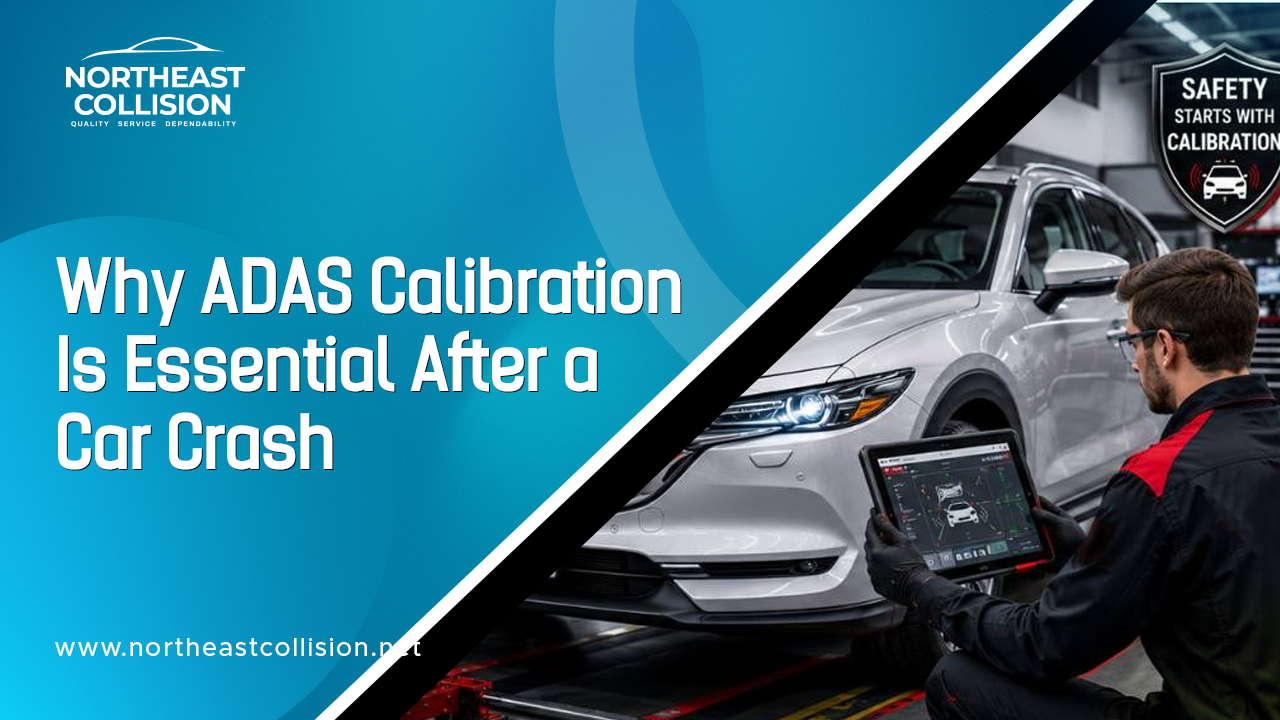
Restoring safety after a collision means performing a rigorous ADAS calibration.
If an auto body technician removes a door handle containing a proximity key sensor, or a side mirror housing a surround-view camera, the vehicle’s central computer must be digitally “re-taught” where those parts are positioned in physical space. Without this electronic calibration, safety features like your Automatic Emergency Braking (AEB) or blind-spot monitors may fail to deploy, or trigger unexpectedly while driving.
The Long-Term Financial Value of a Total Restoration
Choosing an auto body facility that only fixes visible exterior cosmetics will inevitably set you up for a massive financial headache down the road:
- Lease Return Penalties: Lease inspectors utilize specialized tools to check for structural framework defects and frame alignment errors, not just shiny exterior paint. Subpar repairs will lead to expensive turn-in fees.
- Diminished Trade-In Value: A vehicle with an uncorrected, misaligned frame will often “dog-track” (drive slightly sideways down the highway). This structural flaw destroys trade-in value instantly during a professional dealer appraisal.
- Paint Finishes That Last: A budget-tier paint job will often begin to lift, bubble, or peel at the panel edges within 12 to 18 months. A factory-grade professional finish is chemically engineered to last for the remaining life of the vehicle.
Don’t Compromise on Your Family’s Protection
An auto accident is a highly stressful event—but restoring your vehicle back to safety shouldn’t be. By choosing an independent repair facility that prioritizes both the invisible structural safety systems and the visible cosmetic details, you are actively protecting both your physical safety and your financial investment.
You deserve to get back behind the wheel with total confidence, knowing your vehicle is just as safe as the day it rolled off the showroom floor.
Has your vehicle lost its structural confidence or its factory luster after an accident? Trust the team that looks deep beneath the surface to get the job done right. Contact Northeast Collision today to schedule an inspection or request an accurate repair estimate.
Frequently Asked Questions (FAQs)
1. Can a vehicle ever be truly safe to drive again after a major accident?
Yes. However, this is only possible if the collision center strictly adheres to the vehicle manufacturer’s documented Factory Repair Procedures. When a shop cuts out damaged structural sections and replaces them with brand-new OEM components using factory-standard welding techniques, the vehicle’s original crash-test safety ratings are fully restored.
2. Why does my vehicle require a professional wheel alignment after auto body repair?
Your vehicle’s body, unibody frame, and suspension systems are completely interconnected. If a wheel or suspension corner takes a direct hit during an accident, those heavy mechanical components are heavily jarred. Even a tiny, microscopic shift in the underlying unibody structure can throw your wheel alignment completely off, causing dangerous highway handling and ruining an expensive set of tires in a matter of weeks.
3. What happens if a safety sensor is not calibrated correctly after reassembly?
The best-case scenario is that a warning light illuminates on your dashboard. The far more dangerous scenario is an uncalibrated sensor that “thinks” it is working correctly but is aiming just two inches out of alignment. This minor misalignment can cause your vehicle’s automatic braking system to engage violently for no reason, or fail to warn you about an approaching car in your blind spot.
4. How do professional body shops prevent rust on repaired metal panels?
We replicate factory anti-corrosion protection by sealing all exposed, bare metals with specialized zinc-rich primers. Furthermore, once panels are welded together, we apply a thick layer of premium cavity wax inside the vehicle’s enclosed, hidden internal panels. This wax coats the internal weld seams where condensation likes to pool, preventing rust from eating through the metal from the inside out.
5. Is structural frame damage the same thing as an insurance “total loss”?
No. “Total loss” is strictly a financial calculation used by insurance companies, occurring when the estimated cost of repairs exceeds a specific percentage (usually 70% to 80%) of the vehicle’s total actual cash value. A car can sustain minor structural frame damage and still be completely and safely repairable if the vehicle’s overall market value justifies the investment in proper repair procedures.
6. Will my new paint job match my vehicle’s original paint in direct sunlight?
Yes. Professional automotive painters don’t rely on standard garage lighting to match colors. We utilize specialized handheld tools called Sun Guns—diffused LED lights that perfectly replicate the exact color spectrum of natural noon sunlight. By checking the color match under a Sun Gun before applying the final clear coat, we guarantee the repair remains entirely invisible in any lighting condition.